
The ant card lands in June, after homeowners have already called someone. The rodent card arrives in December, after the mice moved in.
Pest control play · Seasonal campaigns
Pest control seasonal campaigns that arrive a few weeks before the pests do.
Pest pressure runs on a calendar: termite swarms and ants in spring, mosquitoes and wasps in summer, rodents and stink bugs in fall. Spur lets you plan the whole year in one sitting, sends each campaign to the homes most at risk, and mails it weeks before homeowners start searching.
Free forever plan · No card · 20 property searches a month
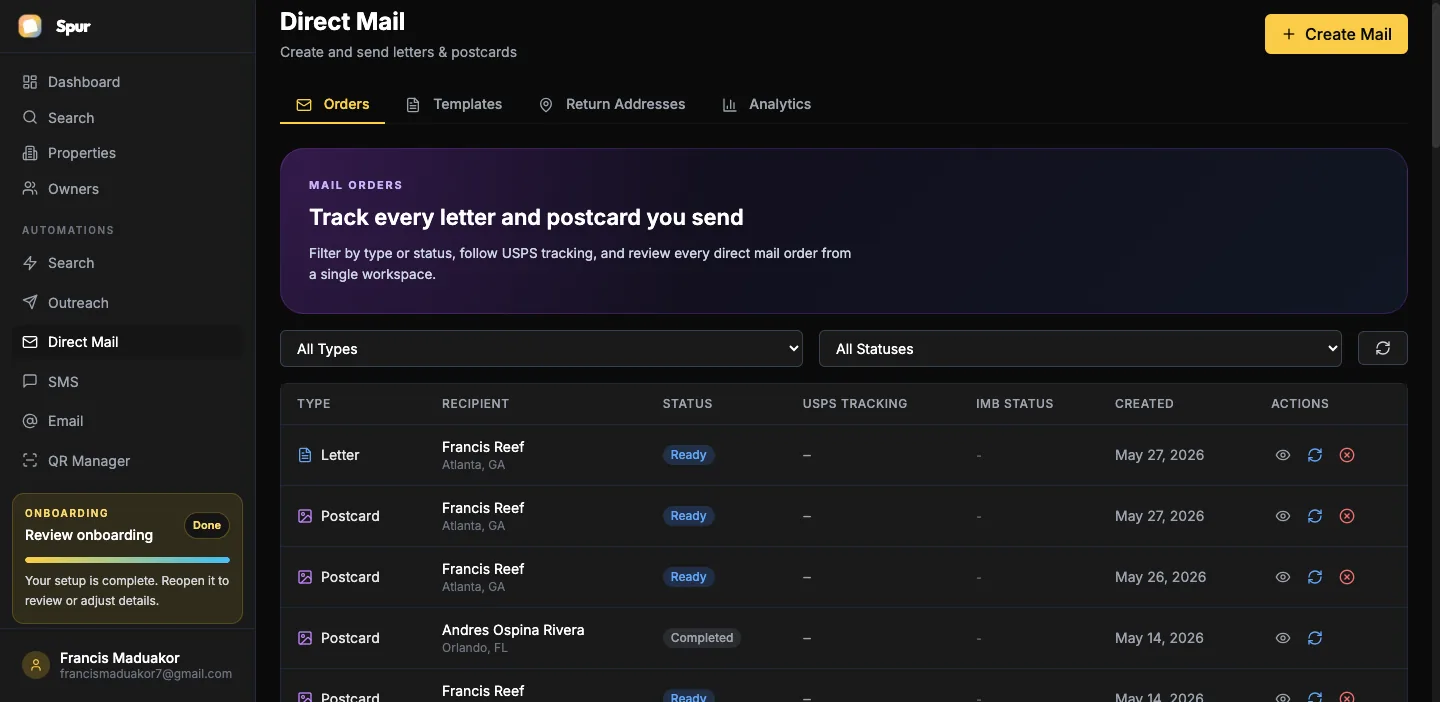
USPSFirst-Class
Colleen Murphy1406 Fairview AveLee's Summit, MO 64063Scan to book before April
Colleen M. scanned your spring ant card · 7 min ago
AI-written for this owner · Mailed in 2 days
4 seasonsof campaigns planned once, mailed all year
3–6 wksbefore each pest season, when mail gets read
By riskso each card goes to homes where that pest shows up
The problem
Most pest control marketing runs when the phones are already ringing.
A list of 12 bugs on one card doesn't speak to anyone. Homeowners respond to the pest they're about to see.
Late fall and winter leave technicians underbooked, and nobody has time to plan a campaign while the summer rush is on.
How it works
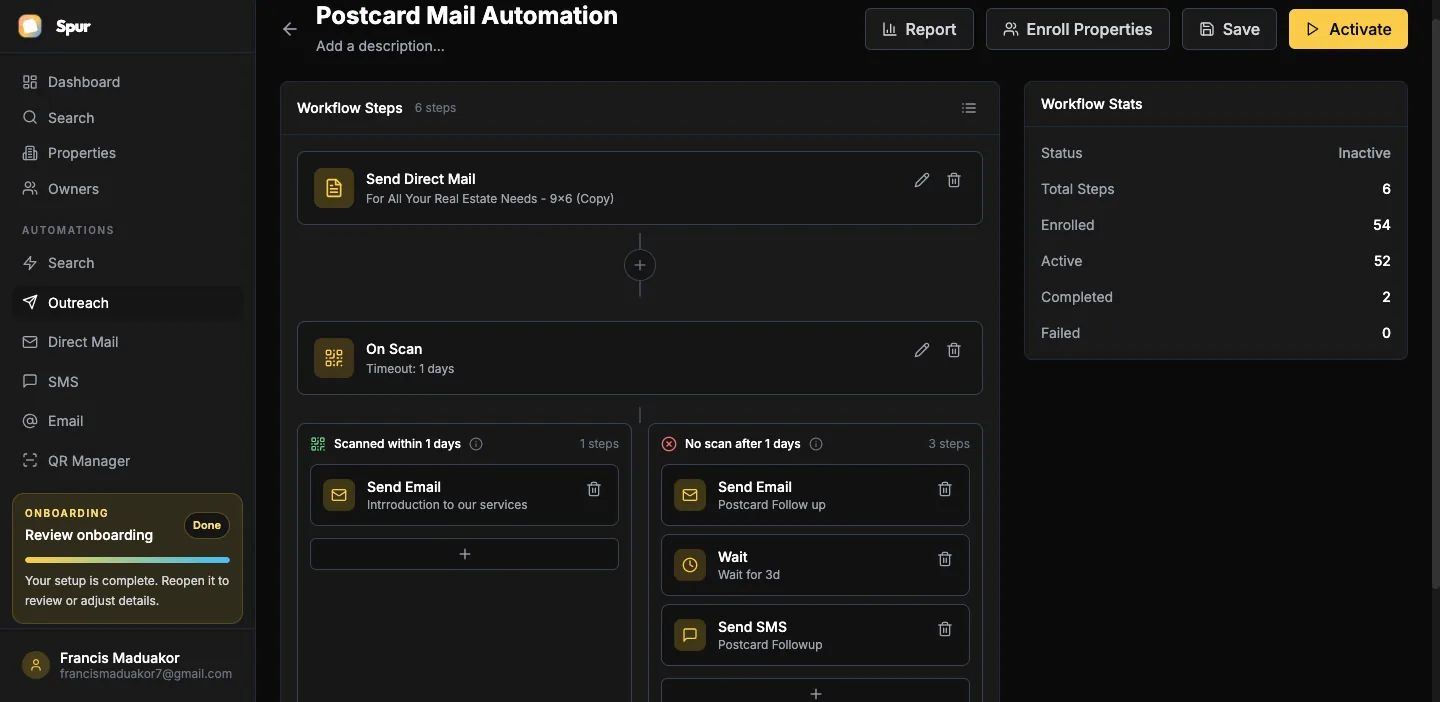
From list to mailbox in one workflow.
Five steps from a blank calendar to a year of campaigns.
app.usespur.com
See it in Spur
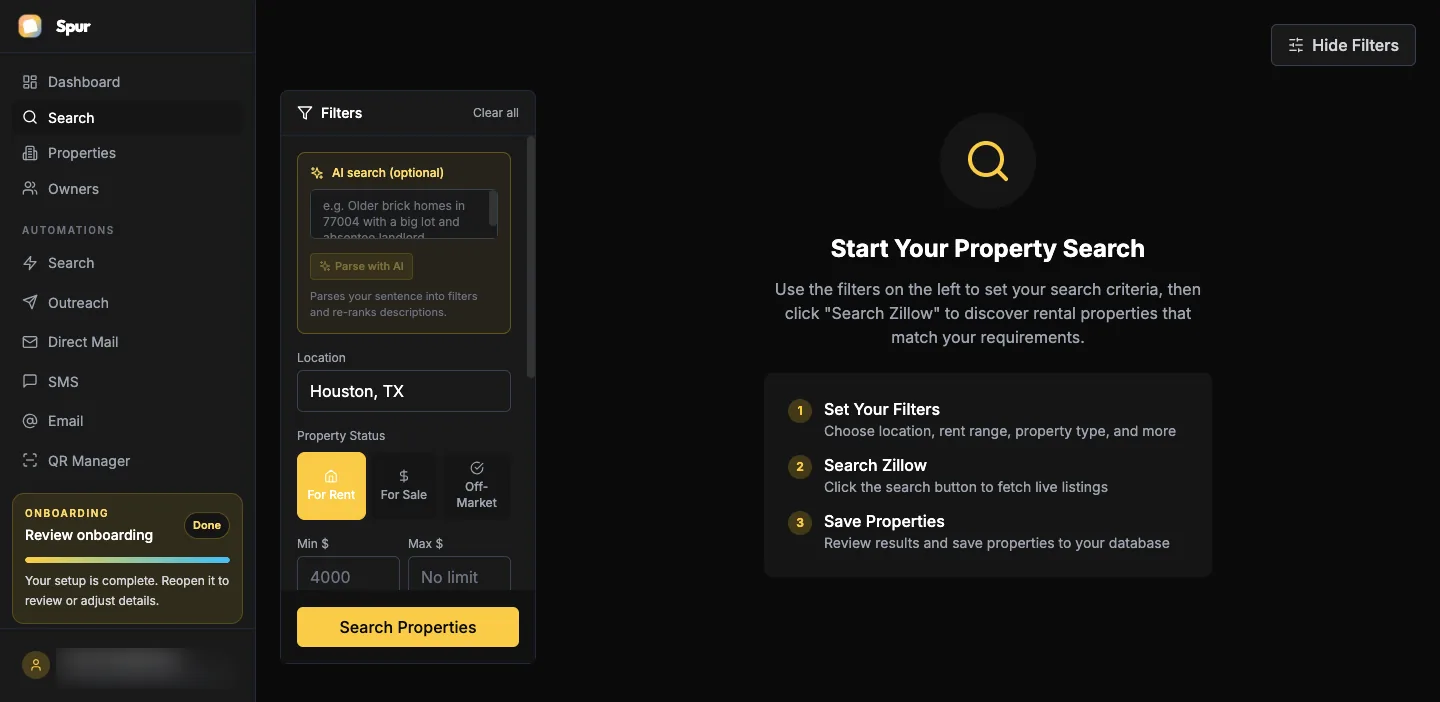
A spring ant list in Spur
Sample Lee's Summit, MO homes on slabs with mature beds, ahead of spring ant season. Names are partly masked.
Zip 64063Single-familyOwner-occupiedBuilt 1985–2005Slab foundationExclude customers
- Colleen M.1406 Fairview AveBuilt 1994 · slabAnt cardMature beds
- Darren & Liz H.1511 Fairview AveBuilt 1996 · slabAnt cardOwned 15 yrs
- Patrice O.908 SW Cedar LnBuilt 1988 · slabAnt + termite cardWood deck
- Hank S.922 SW Cedar LnBuilt 1989 · slabAnt + termite cardBacks creek
- Mei L.1620 Persels RdBuilt 2001 · slabAnt cardOwned 8 yrs
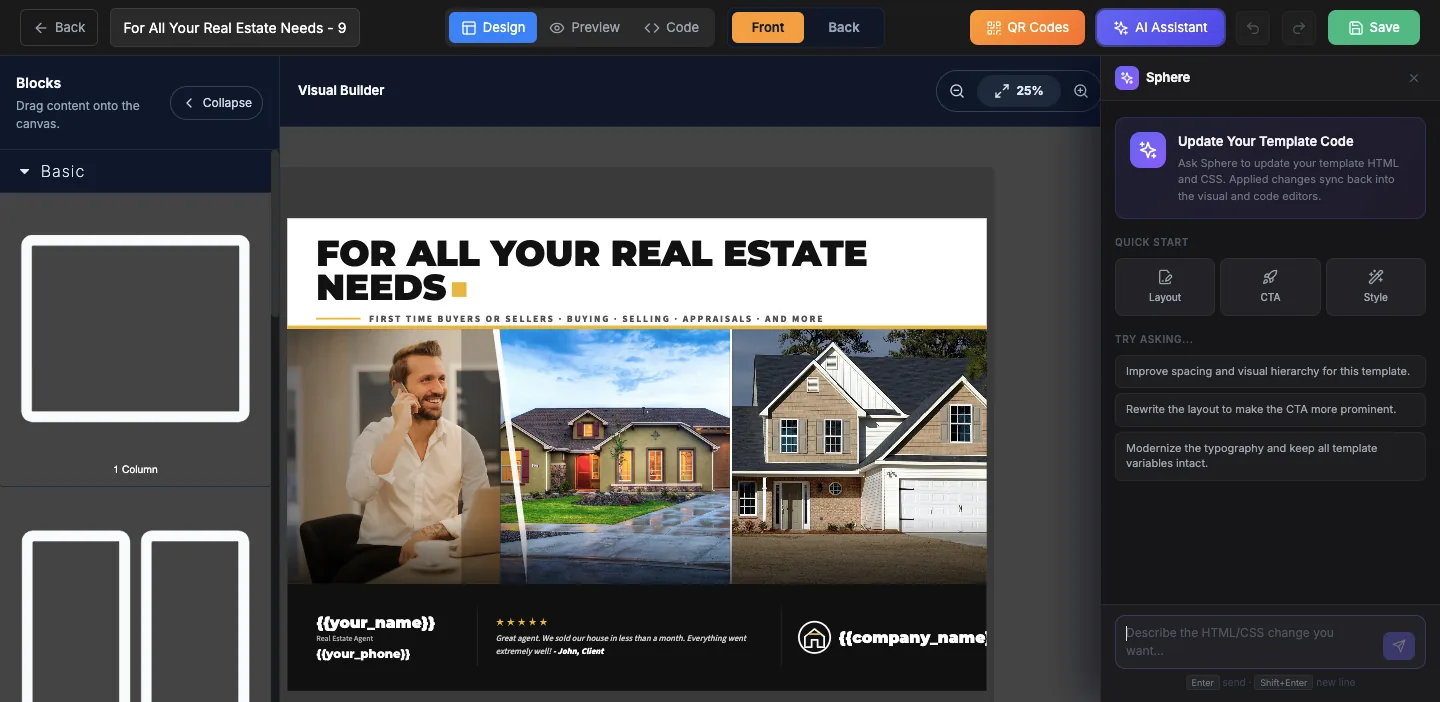
AI draft for Colleen M. · 1406 Fairview Ave
THE ANTS ON FAIRVIEW COME BACK EVERY APRIL.
Hi Colleen, homes on Fairview Avenue were mostly built in the mid-1990s. Thirty years of slab settling, mulch beds against the foundation, and mature shrubs give ants plenty of ways in once the ground warms up.
Our quarterly plan starts with an exterior barrier and interior treatment in early spring, before colonies get active, and we come back every three months after that, with free callbacks in between.
Start before April and your first visit is $49. Scan the code to pick a date.
Heartland Pest Guard · (816) 555-0172
Sample data for illustration. Your results depend on your market and filters.
Playbook
How to build a seasonal marketing calendar for pest control
Pest control demand follows the weather. When pests become visible, homeowners search, and the companies already in front of them get the call. A seasonal calendar planned once, with each campaign mailed three to six weeks ahead of its pest season, puts you there first.
Late winter is for termites and ants. Subterranean termite swarms usually begin in late winter or spring, often on warm days after rain, and ant activity rises as soil warms. Mail termite inspection offers to older homes near water and woods, and ant-focused plan offers to slab homes with mature beds.
Late spring is for mosquitoes, ticks, and stinging insects. Mail in May to wooded, waterfront, and large lots before summer barbecue season. In warmer markets, add roaches and scorpions, which become more active in the heat.
Late summer to early fall is for rodents and overwintering pests. The National Pest Management Association estimates that rodents invade about 21 million U.S. homes each winter, and many come in as nights cool. Stink bugs, boxelder bugs, and lady beetles also look for overwintering shelter in walls and attics in fall. Mail in September to older homes, homes near fields and woods, and homes with mature trees.
Use each seasonal hook to sell the plan. The pest is the reason to respond now; a quarterly plan that covers it and everything after is what you're really selling. Track scans and plan sign-ups by campaign so next year's calendar puts more budget behind the seasons that perform.
Adjust the calendar to your climate. In the Gulf Coast and Southwest, termite swarms, roaches, and scorpions arrive earlier and stay later, and fall rodent pressure is lighter. In the Northeast and Midwest, the rodent and overwintering-pest campaign is often the most productive of the year. Use local university extension calendars to set send dates, then refine them each year based on when your scans and calls actually spike.
33×return on a year of Spur Team from 40 new quarterly plans at $480/yr
Four campaigns, a year of new plans.
- Spur Team: $588/yr, plus 4 campaigns × 600 homes × 2 touches = 4,800 postcards at $0.94 = $4,512
- 40 new quarterly plans × $480/yr = $19,200 in recurring revenue
- About 4× the software and postage combined in year one, and the plans renew in year two
Example math. Pricing, response, and retention vary by market. Run your own numbers →
One tool, not four
Spur vs. the usual seasonal marketing approach
What you needThe usual waySpur
A year of campaigns planned at onceAds bought when the phones ring✓ Built in
Each pest to the homes at riskOne card listing every bug✓ Built in
Mailed 3–6 weeks before the seasonMailed mid-season✓ Built in
Reminder before book-by dateNo follow-up✓ Built in
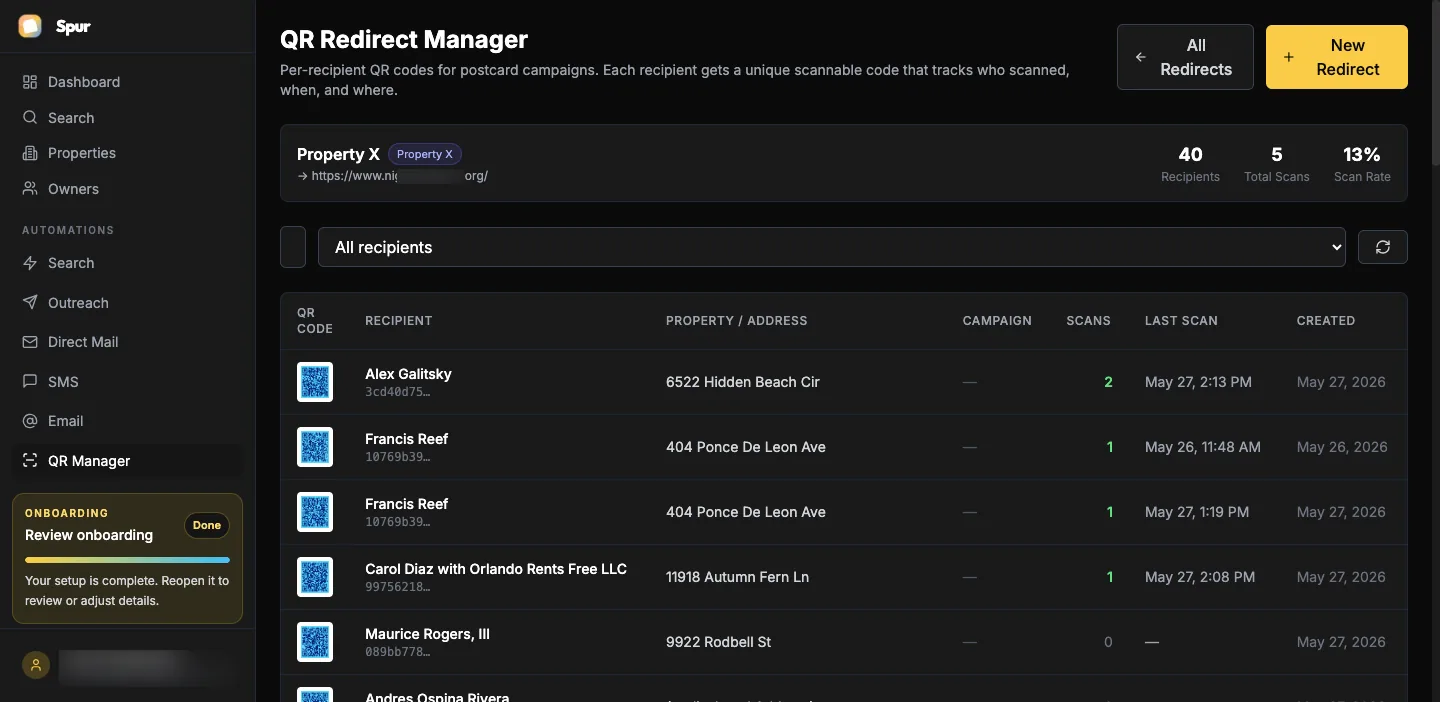
Scans by campaignNo idea which season's mail worked✓ Built in
Seasonal Campaigns by the numbers
Why pest seasons are predictable enough to plan around
~21 million
U.S. homes are invaded by rodents each winter, so September rodent mail lands at the right time
Fall
is when brown marmorated stink bugs move into walls and attics to overwinter
33×
return on a year of Spur Team from 40 new quarterly plans at $480/yr
FAQ
Seasonal pest control marketing questions
When should pest control companies market each season?
Three to six weeks before each pest season: late winter for termites and ants, May for mosquitoes and ticks, and September for rodents and overwintering pests like stink bugs.
What's the busiest season for pest control?
Spring and summer for most companies, when ants, termites, mosquitoes, and wasps are active. Fall rodent season helps fill the shoulder months.
How do I fill slow months in pest control?
Market rodent exclusion and overwintering pests in September, and termite inspections in late winter. Both bring in work before the busy season.
Should each seasonal postcard focus on one pest?
Yes. Name the pest the homeowner is about to see and explain why their home is at risk. Then offer a plan that covers it and everything else.
Can Spur schedule a full year of pest control campaigns?
Yes. Build a list and card for each season, set the send dates, and Spur mails each campaign on schedule with a reminder to anyone who didn't scan.
Keep exploring
Related plays and guides
Start in minutes. No card required.
Plan a year of pest seasons in one afternoon.
Build a list for each season, schedule the year, and let Spur mail every campaign on time. Free to start.
Schedule my seasonal pest control mail — freeFree forever plan · No card · 20 property searches a month
Prefer a walkthrough? Book a demo