
Public systems are tested and reported on. A private well is the owner's responsibility.
Water treatment play · Well water
Well water treatment leads from private well owners who haven't tested.
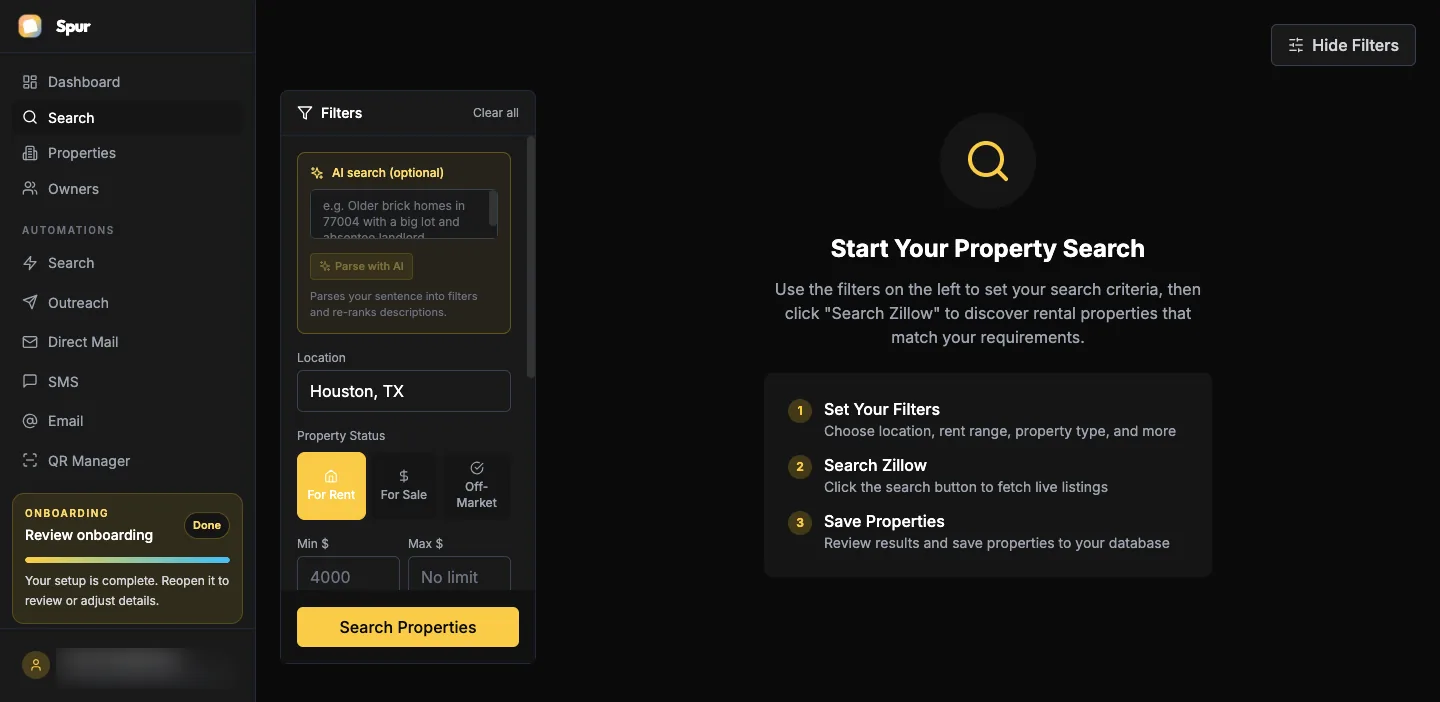
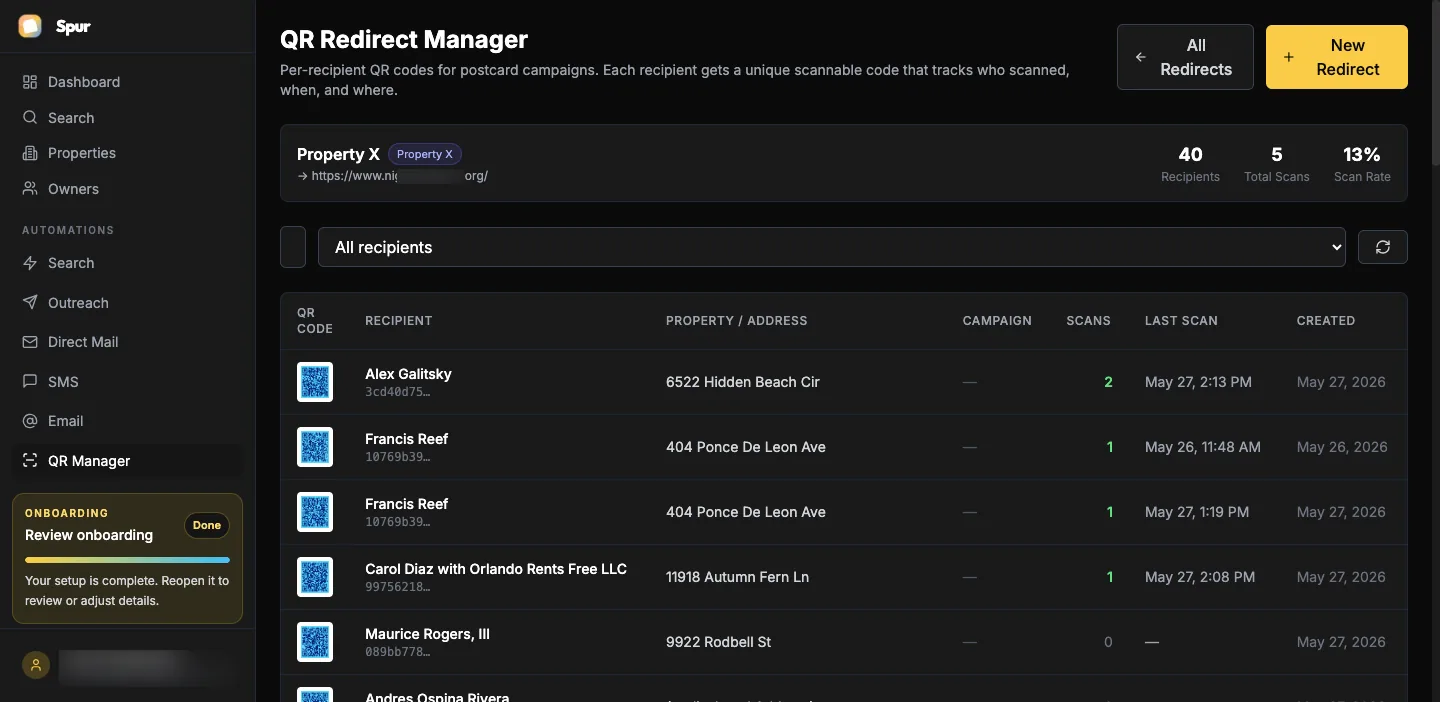
Private wells aren't covered by public drinking water rules, so testing is up to the owner. Spur finds rural homes in your area, writes a calm test-first card for each, and mails it with a QR code that books a lab-certified sample.
Free forever plan · No card · 20 property searches a month
USPSFirst-Class
Tom Wilder300 Matson Hill RdGlastonbury, CT 06033Scan to book a well test
Tom W. booked an annual well test · 4 min ago
AI-written for this owner · Mailed in 2 days
~15%of Americans get their drinking water from a private well
Annualtesting is recommended by EPA
Certifiedlab analysis, plain-language results
The problem
Well owners are on their own for water quality.
Bacteria and nitrates can't be seen or tasted, and iron and sulfur are often mistaken for normal.
Without a trusted local name, owners rely on a web search or a big-box kit.
How it works
From list to mailbox in one workflow.
Five steps from a rural list to a yearly well-test customer.
app.usespur.com
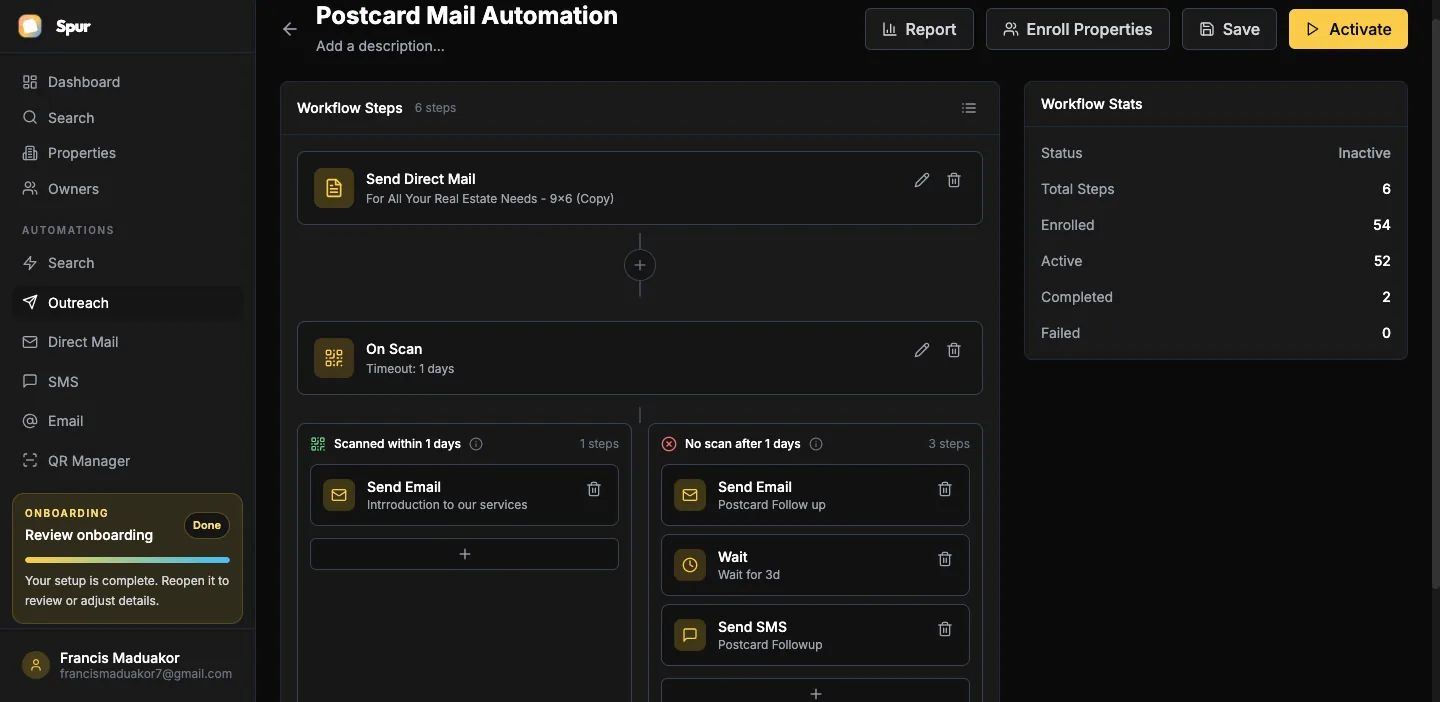
See it in Spur
A well owner list for water testing
Sample Glastonbury, CT list: owner-occupied homes on larger lots outside the municipal water district. Names are partly masked.
Outside municipal waterLot 1+ acreOwner-occupiedOwned 2+ yrsSingle-family
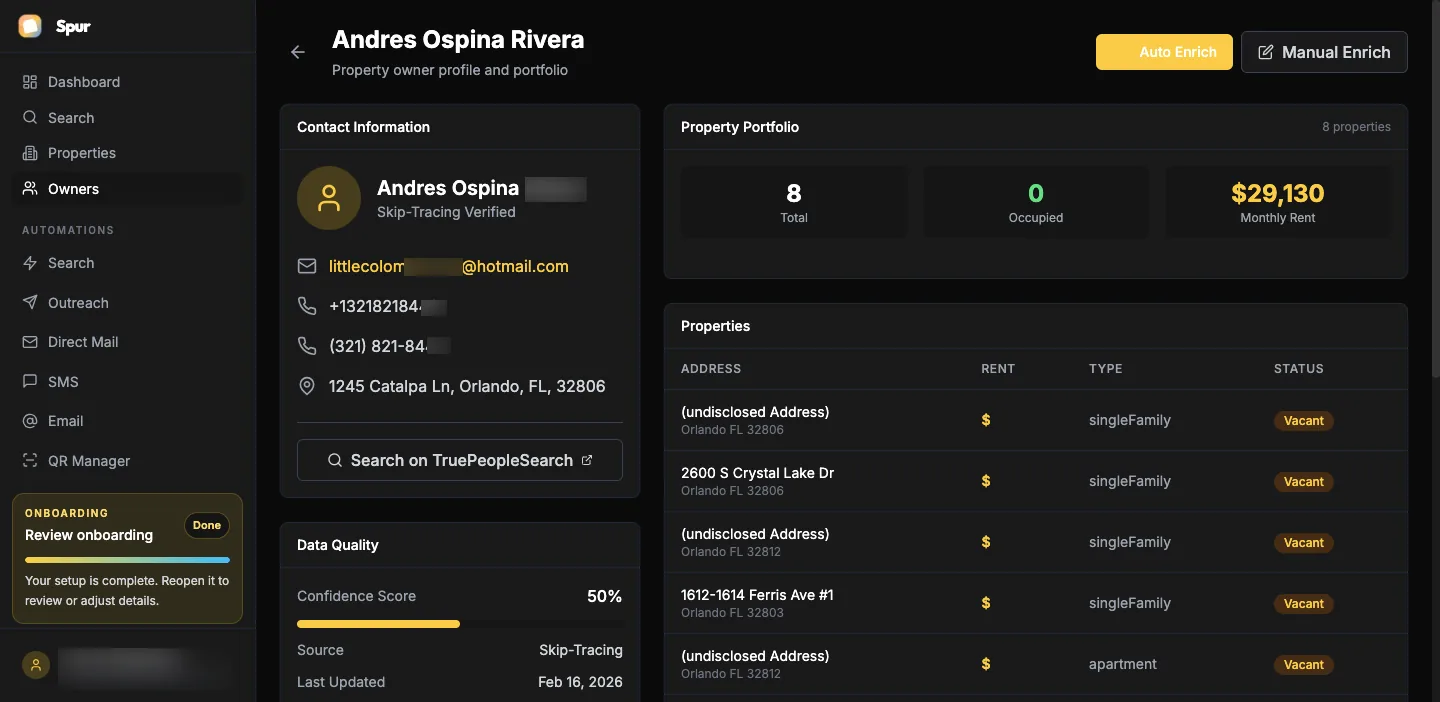
- Tom & Gail W.300 Matson Hill RdBuilt 2002 · 2.4 acresOwned 14 yrsPrivate well
- Erin W.88 Old Quarry RdBuilt 1988 · 1.8 acresOwned 11 yrsPrivate well
- Hannah L.41 Tryon StBuilt 1975 · 1.2 acresOwned 19 yrsOlder well
- Walter & Joan P.5 Bell Hollow RdBuilt 1971 · 3.0 acresOwned 41 yrsRetired
- Carl & Nina R.7 Pond View CtBuilt 1999 · 1.6 acresOwned 17 yrsIron stains
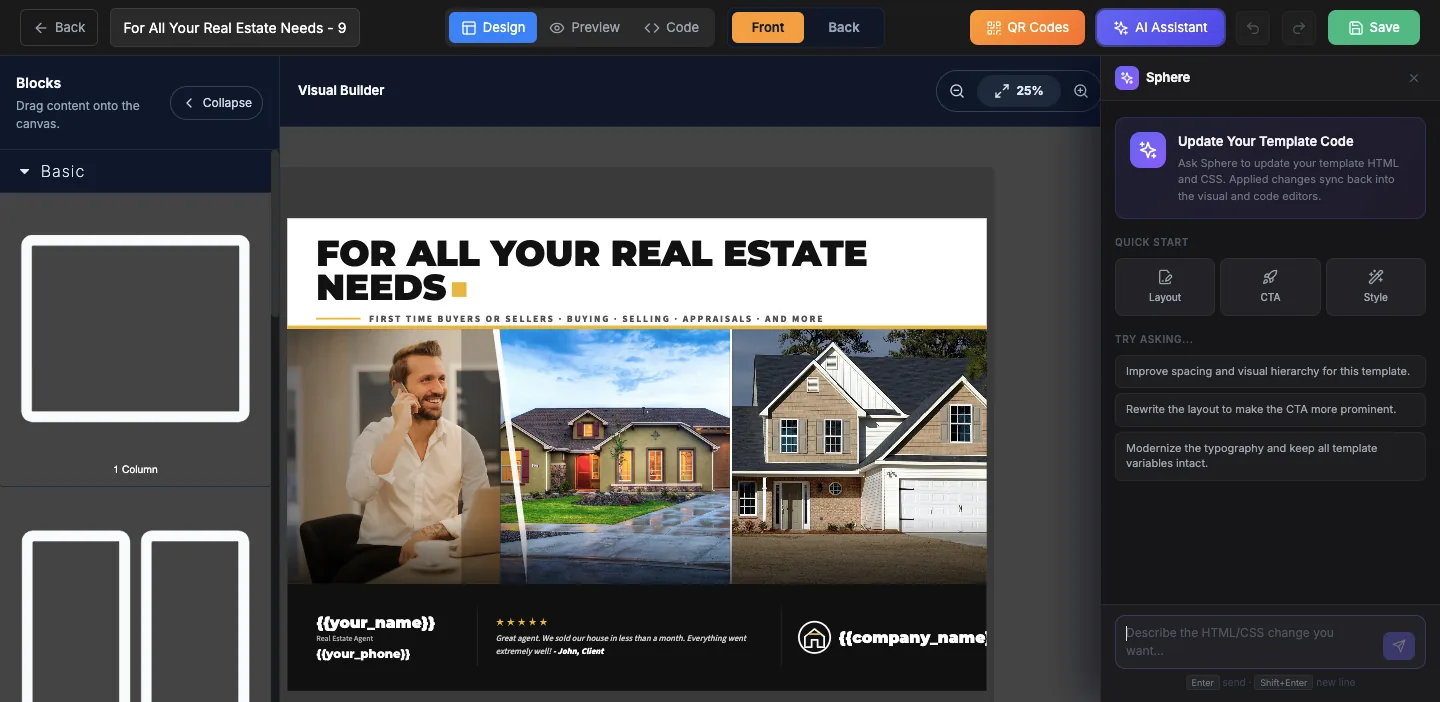
AI draft for Tom W. · 300 Matson Hill Rd
Hi Tom,
If your home runs on a private well, nobody tests your water for you. The EPA recommends that well owners test at least once a year, and it is the only way to know what is in the water.
We'll collect a sample, send it to a certified lab, and explain the results in plain language. If there's a problem, we'll tell you what treatment would fix it. If not, you'll know your water is in good shape.
Scan the code to book your annual test.
Naomi Ellison · ClearSpring Water Systems · (860) 555-0172
Sample data for illustration. Your results depend on your market and filters.
Playbook
How to win private well owners
Private wells supply drinking water to roughly 15 percent of Americans, and the EPA does not regulate them the way it does public systems. Owners are responsible for testing and treating their own water, and many don't know where to start. That makes a well owner a customer who needs advice, not a pitch.
Sell the annual test. The EPA recommends testing private wells at least once a year for coliform bacteria, nitrates, and other contaminants, and testing sooner after flooding or a change in taste or smell. A yearly test is a simple, defensible offer, and it creates a recurring customer.
Explain what the lab checks. A basic panel usually covers bacteria, nitrates, pH, and hardness, and local conditions may call for tests of arsenic, radon, or other substances. Naming what you test builds trust, and shows owners that the panel is tailored to their area.
Treat only what you find. Iron, sulfur odor, sediment, and hardness each have a specific fix. Matching the system to the result, and saying so, is the most credible message a dealer can send. Avoid blanket claims, and avoid promising health outcomes.
Choose the right homes. Private wells are most common in rural and exurban areas. Use rural zips you know, owner-occupied homes on larger lots, and long-time owners who may not have tested in years. New buyers are also a strong target.
Keep the cycle going. After a test, add the owner to a yearly reminder, and a filter or service plan if they bought treatment. The recurring test is the base of a well-water business, and every installed system makes it stronger.
Respect the difference between a nuisance and a hazard. Iron stains and sulfur odor are aesthetic problems, while bacteria or nitrates may call for immediate action and a retest. Explain the difference in the report, recommend a health department or lab contact where appropriate, and never use a test result to create urgency.
8×+return on a year of Spur Team from tests plus two treatment installs
A repeat well customer pays year after year.
- Spur Team: $49/mo billed annually = $588/yr
- 300 well cards at $0.94 each = $282
- 30 tests (~$150 each) + 2 installs (~$3,500 each) ≈ $11,500
Example math. Test prices and install size vary. Run your own numbers →
One tool, not four
Spur vs. the usual well water marketing
What you needThe usual waySpur
Rural owners by lot size and tenureHome show booth✓ Built in
Test-first card per ownerGeneric 'free test' flyer✓ Built in
QR books a certified samplePhone number only✓ Built in
Annual reminders run automaticallyPaper records✓ Built in
Scan alerts for follow-upNo signal✓ Built in
Well Water by the numbers
What the well water numbers say
~15%
of Americans get their drinking water from a private well
Annual
testing is recommended for private wells
8×+
return on a year of Spur Team from tests plus two treatment installs
FAQ
Well water treatment questions
How do I find well water treatment leads?
Mail owner-occupied rural homes in the zips you know are on private wells with an annual test offer.
Can Spur tell which homes have wells?
Not directly. You know the well zips and roads, and Spur lets you target them by zip, radius, lot size, and ownership.
How often should wells be tested?
The EPA recommends at least once a year, and after flooding or a change in taste, smell, or appearance.
What should the card say about health?
Keep to facts. Say what the lab tests for, and avoid claims about health outcomes.
What does Spur cost for a water treatment dealer?
Solo is free forever. You pay per postcard when you mail. Team is $49/mo billed annually with more searches, enrichments, and QR codes.
Keep exploring
Related plays and guides
Start in minutes. No card required.
Be the local name behind every well.
Mail an annual test offer to private well owners. Free to start.
Find well owners — freeFree forever plan · No card · 20 property searches a month
Prefer a walkthrough? Book a demo