
When an owner owes 90% of the value, a discounted cash offer leaves them bringing money to closing. They ignore it.
Investor play · Subject-to
Subject-to seller leads: owners who need out but can't sell for cash.
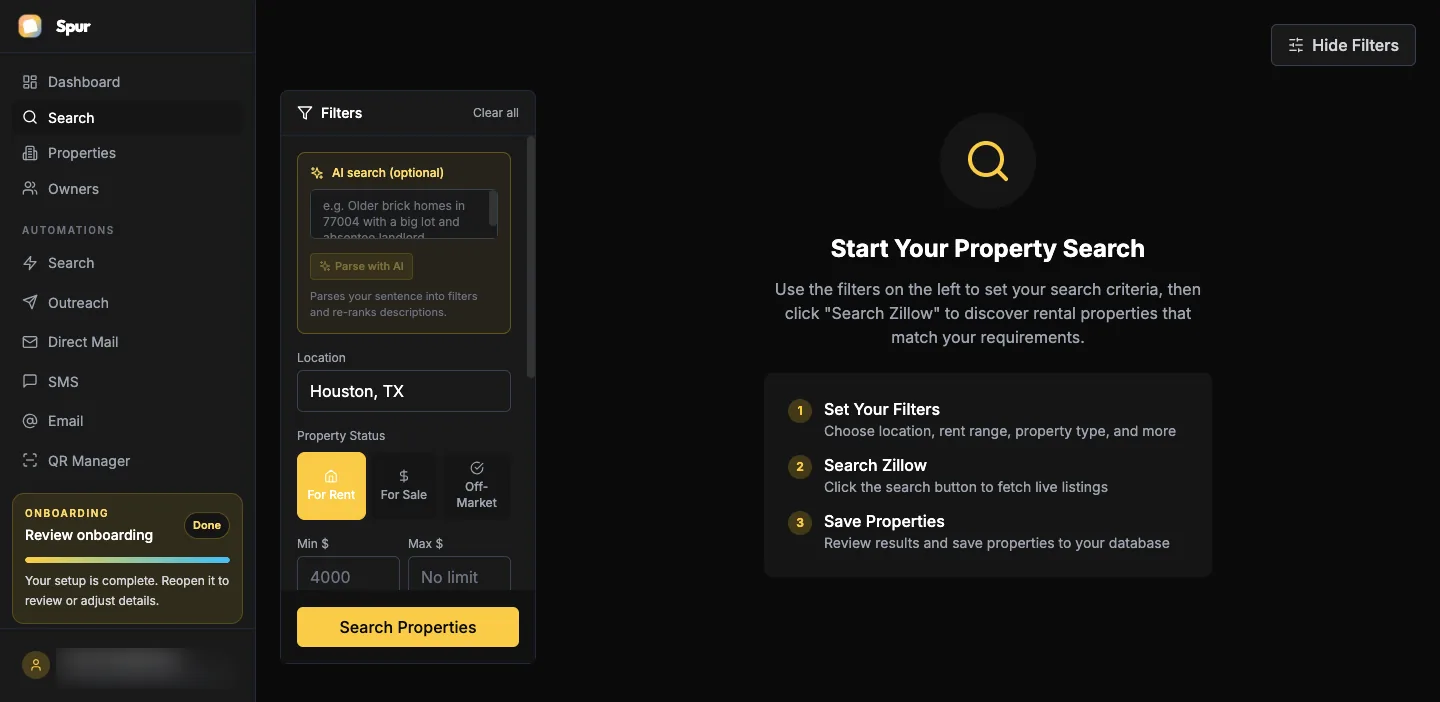
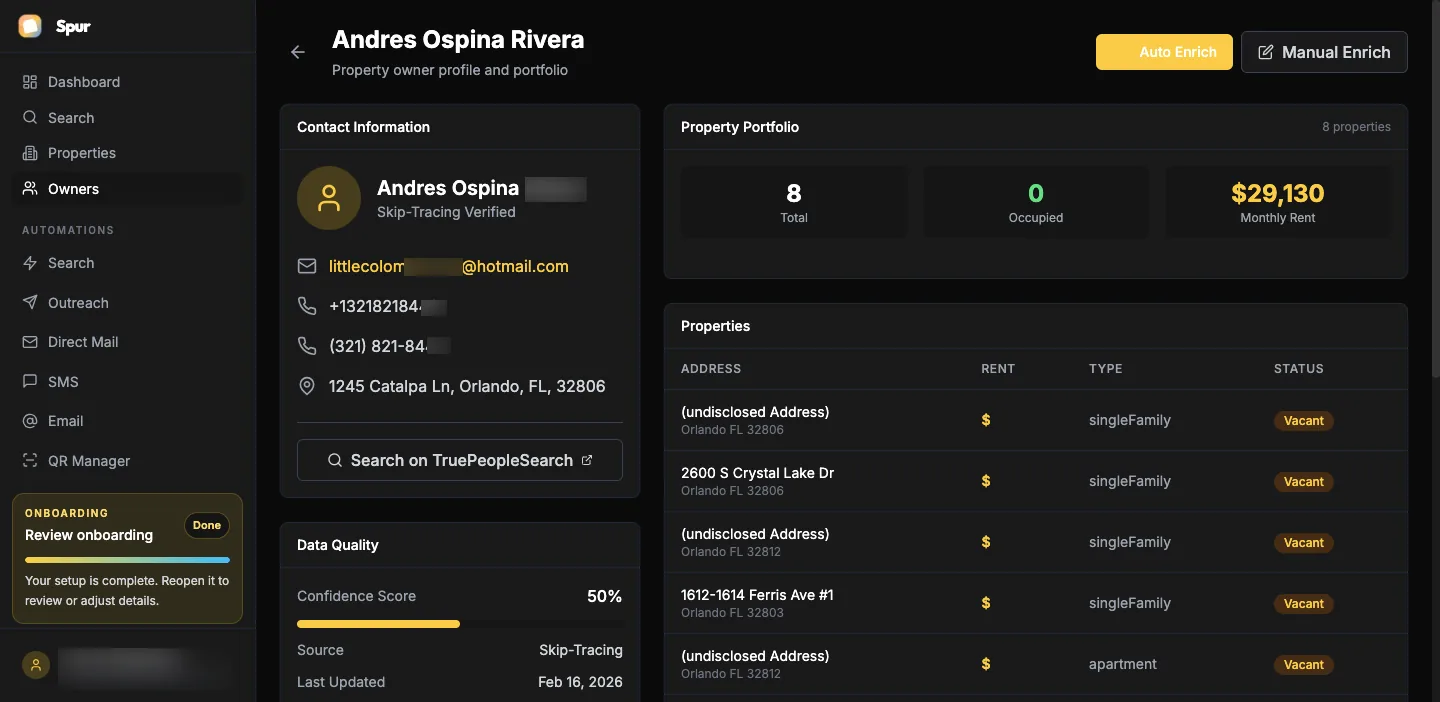
Some owners can't sell the traditional way because they owe close to what the house is worth. Spur finds owners with thin equity and a low-rate loan, reaches them before the situation gets worse, and mails a plain-English letter offering to take over the payments.
Free forever plan · No card · 20 property searches a month
USPSFirst-Class
Jared Collins5520 Ridgeview DrSan Antonio, TX 78240Scan to see how it works
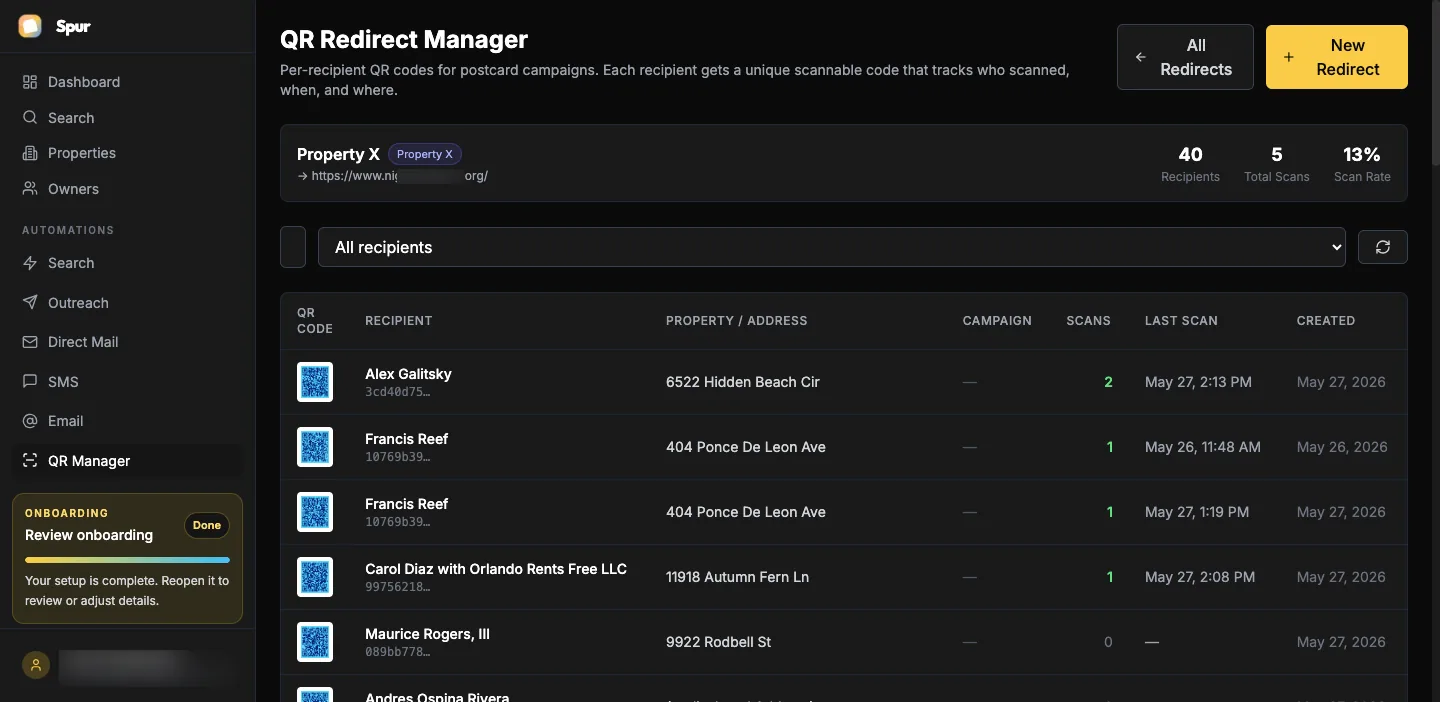
Jared C. read how it works · 3 hrs ago
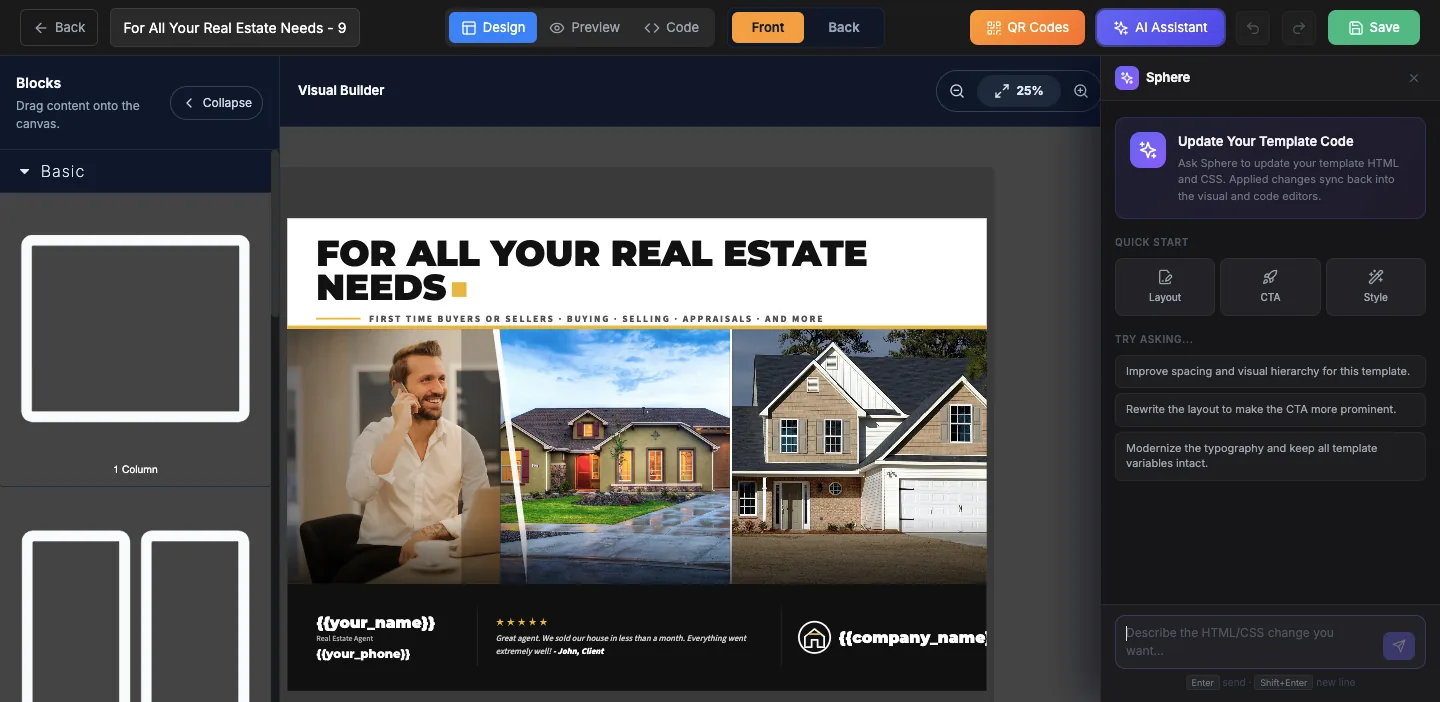
AI-written for this owner · Mailed in 2 days
Thinequity filters that cash buyers skip
2020–21loan years when rates were lowest
PlainEnglish letters that explain the option
The problem
Your best subject-to sellers get offers they can't accept.
Most homeowners have never heard of subject-to. A vague postcard creates confusion and distrust, not calls.
Once payments are months behind, foreclosure costs eat into the deal. You need to reach owners early.
How it works
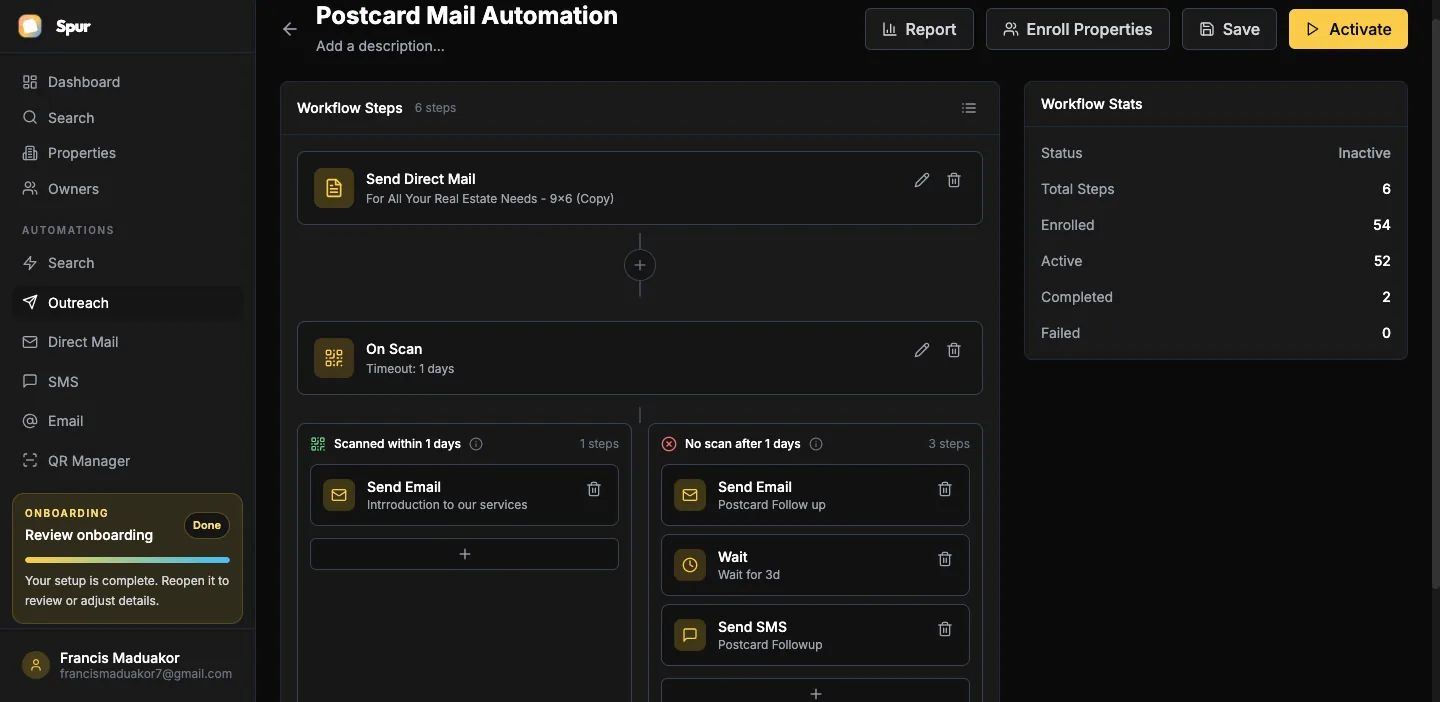
From list to mailbox in one workflow.
Five steps from a low-equity list to a seller who can finally move on.
app.usespur.com
See it in Spur
A subject-to seller list in Spur
Sample San Antonio homes with low estimated equity and a mortgage recorded in 2020–2021. Names are partly masked.
San Antonio, TXEquity < 20%Mortgage recorded 2020–21Absentee or vacant
- Jared C.5520 Ridgeview DrOwner moved to HoustonEquity 8%2021 loan
- Alicia & Ben M.1314 Sendero WayOwner-occupiedEquity 12%Early default
- Trevor S.9022 Oak GlenOwner in AustinVacant2020 loan
- Lena R.2711 Laurel PathOwner in Phoenix, AZEquity 15%Rented
- Chris & Dana P.4406 Mesa CrestOwner-occupiedEquity 5%2021 loan
AI draft for Jared C. · 5520 Ridgeview Dr
Hi Jared,
I'm Monica, a local real estate investor. I'm writing about your house at 5520 Ridgeview Drive, because it looks like you've moved to Houston.
If you've thought about selling but owe close to what the house is worth, a normal sale might leave you paying out of pocket for agent fees and closing costs. There's another option: I can buy the house and take over your existing mortgage payments. You'd walk away without bringing money to closing, and I'd handle any repairs.
This isn't right for everyone, so I'll explain the pros and cons openly. Scan the code to read how it works, or call me with questions.
Monica Reyes · (210) 555-0193
Sample data for illustration. Your results depend on your market and filters.
Playbook
How subject-to deals work, and who they help
In a subject-to purchase, the buyer takes title to a property "subject to" the existing mortgage. The loan stays in the seller's name, and the buyer makes the payments. For the seller, it's a way out when a regular sale wouldn't cover the loan and costs. For the investor, it means buying with little cash and keeping the seller's interest rate, which matters most on loans made when rates were low.
The best subject-to sellers usually have little equity and a reason they need to move on: a job relocation, a divorce, a growing family, an inherited payment, or the early stages of falling behind. They're the owners a cash buyer can't help, which is why a separate list and message works.
To build the list, filter for estimated equity under about 20% and a mortgage recorded during low-rate years, then stack with motivation signals such as absentee ownership, vacancy, a recent move, or an early default notice. Reach owners before they're far behind; reinstatement costs grow each month.
Be clear about the risks, both in your letter and on the call. Most mortgages have a due-on-sale clause that lets the lender call the loan when the property is transferred. The seller's credit is still tied to the loan, so missed payments hurt them. Responsible investors explain this openly, put the agreement in writing, and use a real estate attorney and title company.
Several states have added disclosure rules or seller protections for subject-to, wraparound, and similar creative-finance deals. Check your state's rules before you mail, and keep your language honest. Avoid promising to "save" a home or stop a foreclosure.
Your letter should explain the idea in one or two plain sentences, show you understand their situation, and invite questions. A QR code linking to a simple explainer lets owners learn privately before they call.
34×return on a year of Spur Team from one $20,000 deal
One subject-to deal can change your portfolio.
- Spur Team: $588/yr billed annually
- 300 low-equity owners × 3 letters = 900 at $1.39 = $1,251
- One deal worth $20,000 in equity and cash flow = 34× your subscription
Example math. Creative-finance deals carry legal and financial risks; get professional advice. Run your own numbers →
One tool, not four
Spur vs. the usual creative-finance lead workflow
What you needThe usual waySpur
Low-equity, low-rate loan filtersExporting and sorting mortgage data✓ Built in
Owner's current address and phoneSeparate skip tracing✓ Built in
Plain-English subject-to letterGeneric cash-offer postcard✓ Built in
Scan alerts on your explainer pageWaiting for confused callbacks✓ Built in
Fast follow-up sequenceManual reminders✓ Built in
FAQ
Subject-to questions
What is a subject-to real estate deal?
The buyer takes title while the seller's existing mortgage stays in place, and the buyer makes the payments. It can help sellers with little equity sell without bringing money to closing.
How do I find subject-to leads?
Filter for owners with low estimated equity and a mortgage from low-rate years, then stack with motivation signals like a recent move, vacancy, or early default. Spur combines these in one search.
What about the due-on-sale clause?
Most mortgages let the lender call the loan when the property transfers. Explain this risk to sellers openly and work with a real estate attorney.
Is subject-to legal?
It's legal in general, but several states regulate creative-finance deals with disclosures or seller protections. Check your state's rules and use an attorney and title company.
What should a subject-to letter say?
Name the property, acknowledge why selling may be hard, explain taking over payments in one or two plain sentences, and invite questions. Avoid promising to stop a foreclosure.
Keep exploring
Related plays and guides
Start in minutes. No card required.
Help the sellers a cash offer can't.
Find thin-equity owners with low-rate loans in your market and mail a clear, honest first letter today.
Find subject-to sellers — freeFree forever plan · No card · 20 property searches a month
Prefer a walkthrough? Book a demo